EMG 399817-00394038 Hydraulic Lifting Hub Motor 230/460V-AC 3PH 260W
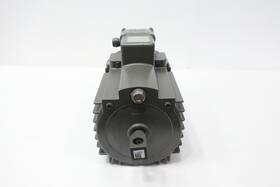
( Brand: Emg ), ( Manufacturer Part Number: 399817-00394038 ), ( Part Type: Hydraulic Hub Motor ), ( Reference Sku: 1742573 ), ( Product Condition: New Other )
Review EMG Hydraulic Lifting Hub Motor 230/460v-ac 3ph 260w
The **EMG 399817-00394038 Hydraulic Lifting Hub Motor** is a high-performance, industrial-grade electric actuator designed to deliver precise, reliable, and efficient power for hydraulic lifting applications in demanding environments. Engineered with robust construction, this motor operates seamlessly on a **230/460V AC, three-phase** power supply, making it versatile for integration into a wide range of automated systems, material handling equipment, or specialized lifting mechanisms. With a rated power output of **260 watts**, it provides a balanced combination of torque and speed, ensuring smooth and controlled operation while maintaining energy efficiency. The motor s compact yet durable design allows for easy installation in tight spaces, whether in factory settings, warehouse automation, or custom machinery, where space optimization is critical.
This hydraulic lifting hub motor is built to withstand rigorous operational demands, featuring a **high-quality enclosure** that protects internal components from dust, moisture, and debris, making it suitable for both indoor and outdoor applications. Its **three-phase AC induction motor** ensures consistent performance under varying loads, while its hydraulic integration allows for precise control of lifting mechanisms, reducing wear and tear on mechanical components. The motor s **low-noise operation** and smooth acceleration/deceleration contribute to a quieter, more ergonomic working environment, enhancing overall productivity. Whether used in conjunction with hydraulic cylinders, scissor lifts, or other lifting systems, this motor delivers the reliability and responsiveness required to handle repetitive or heavy-duty tasks with ease.
Ideal for applications such as **automated palletizers, conveyor systems, or custom industrial lifts**, the EMG 399817-00394038 excels in scenarios where precise positioning and consistent force are essential. Its **adjustable speed control** capabilities allow operators to fine-tune performance based on specific load requirements, while its **long service life** ensures minimal downtime and reduced maintenance costs over time. Built with **high-grade materials**, including corrosion-resistant coatings and reinforced bearings, this motor is engineered for durability, offering extended operational longevity even in harsh industrial conditions. Whether integrated into new machinery or retrofitted into existing systems, this hydraulic lifting hub motor represents a dependable solution for businesses seeking efficiency, precision, and reliability in their lifting applications.
### **Pros and Cons of buying a EMG 399817-00394038 Hydraulic Lifting Hub Motor (230/460V AC, 3-Phase, 260W)**
#### **Pros:**1. **High Power-to-Weight Ratio** The 260W motor is compact yet delivers sufficient power for hydraulic lifting applications, making it suitable for medium-duty tasks without excessive bulk.
2. **Dual Voltage Compatibility (230V/460V)** The ability to operate on both standard and industrial voltage levels increases flexibility, allowing use in different electrical environments without needing a separate model.
3. **Three-Phase Design** Three-phase motors are generally more efficient and provide smoother operation compared to single-phase alternatives, reducing vibration and improving longevity.
4. **Potential for Cost-Effective Operation** At 260W, it consumes less power than larger industrial motors, which may translate to lower electricity costs for frequent use, though this depends on runtime and load conditions.
5. **Compatibility with Hydraulic Systems** Designed specifically for hydraulic lifting applications, it integrates well with pumps and cylinders, ensuring reliable performance in lifting mechanisms.
6. **Durability in Industrial Settings** If built to industrial standards, it may withstand harsh environments, though this depends on the manufacturer s quality control and material specifications.
7. **Ease of Installation** Standardized voltage and phase ratings simplify wiring and compatibility with existing electrical setups, reducing installation complexity.
---
#### **Cons:**1. **Limited Power for Heavy-Duty Lifting** At 260W, this motor may struggle with continuous heavy loads or rapid lifting cycles, risking overheating or premature wear if overloaded.
2. **Potential for High Maintenance** Hydraulic systems, especially those with motors, can require regular servicing (e.g., fluid checks, seal replacements) to prevent leaks or mechanical failure.
3. **Noise and Vibration** Three-phase motors can generate noise and vibration, which may be problematic in sensitive environments or if the motor is not properly balanced or mounted.
4. **Dependence on Hydraulic System Health** The motor s performance is directly tied to the hydraulic pump and fluid quality. Poor maintenance of the hydraulic system can lead to motor inefficiency or damage.
5. **Safety Risks** Hydraulic systems under pressure pose hazards (e.g., fluid leaks, sudden releases). Proper safety guards, training, and compliance with OSHA or industry standards are essential.
6. **Potential for Voltage Sensitivity** While it supports 230V/460V, sudden voltage fluctuations or poor wiring can cause overheating or motor failure, especially in single-phase applications if not properly protected.
7. **Limited Availability of Spare Parts** If the motor fails, finding exact replacements (e.g., seals, bearings) may be difficult, depending on the manufacturer s longevity and parts support.
8. **Energy Efficiency Trade-Off** While 260W is efficient for its class, it may not match the efficiency of higher-end industrial motors, leading to slightly higher operational costs over time.
---
### **Conclusion:**The **EMG 399817-00394038 hydraulic lifting hub motor** is a **practical choice for light to medium-duty hydraulic lifting applications** where space, dual-voltage flexibility, and moderate power are priorities. It excels in **cost efficiency for low-to-moderate workloads** and offers **versatility in electrical compatibility**. However, it is **not ideal for continuous heavy lifting, high-speed operations, or environments with poor maintenance practices**, as it may overheat or fail prematurely.
For **light industrial, workshop, or automotive lifting tasks**, this motor is a **solid, budget-friendly option** if paired with a well-maintained hydraulic system. For **high-load or continuous-duty applications**, a higher-wattage motor (e.g., 500W ) or a dedicated industrial hydraulic motor would be more appropriate.
---
### **Recommendation:** - **Buy if:**- You need a **compact, dual-voltage motor** for **occasional or light-duty lifting** (e.g., small workshops, automotive lifts, or DIY projects).
- Your hydraulic system is **well-maintained**, and you can monitor the motor s temperature and performance.
- You prioritize **cost efficiency** over maximum power output.
- **Avoid if:**- You require **continuous heavy lifting** (e.g., frequent high-load operations).
- Your environment lacks **proper electrical protection** (e.g., voltage stabilizers, surge protectors).
- You cannot commit to **regular maintenance** of both the motor and hydraulic system.
- You need **long-term reliability** without potential downtime for repairs.
- **Alternatives to Consider:**- For **heavier loads**, opt for a **higher-wattage motor (e.g., 500W 1kW)** or a **dedicated hydraulic motor** with built-in overload protection.
- For **industrial use**, choose a motor from **reputable brands** (e.g., Bosch Rexroth, Parker Hannifin) with **extended warranties and better support**.
- If **energy efficiency** is critical, evaluate **variable-frequency drive (VFD)-compatible motors** to reduce power consumption during partial loads.
**Final Verdict:** This motor is a **decent entry-level option** for suitable applications but should not be relied upon for **high-demand or critical lifting tasks** without additional safeguards. Always verify compatibility with your specific hydraulic setup and operational requirements before purchasing.
Details:
Hydraulic Motors. Hydraulic Filters. Hydraulic Cylinders. Circuit Breakers.
Hydraulic Hoses. Hydraulic Systems. Hydraulic Valves.
part #: 39981700394038 price
- $2096.00
specifications hydraulimoto:
- brand: Emg
- mpn: 399817-00394038
- part type: Hydraulic Hub Motor
- reference sku: 1742573
- product condition: New Other
payments hydraulimoto:
- other
- credit card: Visa
- wallet: Apple-pay
seller hydraulimoto:
- city: Delta, Ohio
- # reviews: 123183
- rating: 100.0%
returns hydraulimoto:
- policy: Returns Accepted
- method: Money back
- paid by: Seller
- time: 30 Days
offer hydraulimoto:
- quantity: 1
- best offers: True
- sold: 0
- started: February 4, 2026
- options: Ship-to-home
- availability: In Stock
shipping hydraulimoto:
- class: Standard, Expedited, One-day
- service: Standard, Expedited, Overnight
- cost: $0.00
- type: Fixed
- transit: 6-6 Days
general hydraulimoto:
- Business Industrial > Hydraulics, Pneumatics, Pumps Plumbing > Hydraulic Pneumatic Motors
- condition: New Open box
