CENTURY C830V1 Motor
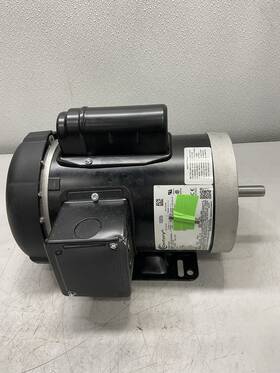
( Brand: Century ), ( Manufacturer Part Number: C830V1 ), ( Part Type: Hp Motor ), ( Mounting Type: Rigid Base ), ( Rated Power: 1725 ), ( Unit Type: Unit ), ( Weight: 34lb )
Review CENTURY Hp Motor
The **HP Century C830V1** is a high-performance, versatile electric motor designed for demanding applications where reliability, efficiency, and precision are paramount. Engineered with cutting-edge technology, this motor delivers exceptional torque and speed control, making it an ideal choice for industrial automation, robotics, and precision machinery. Its robust construction features a **permanent magnet synchronous design**, ensuring superior energy efficiency and reduced heat generation compared to traditional brushed or induction motors. The **closed-loop vector control system** embedded within the C830V1 allows for seamless integration with modern control systems, enabling real-time adjustments for optimal performance across varying loads and operational conditions.
Built with **high-grade materials**, including corrosion-resistant alloys and reinforced housing, the Century C830V1 is engineered for durability and longevity, even in harsh environments. Its **IP65-rated enclosure** provides robust protection against dust, water, and contaminants, while the **low-vibration, high-precision bearings** ensure smooth operation and extended service life. The motor s **compact yet robust design** allows for easy integration into tight spaces, making it suitable for both original equipment manufacturing (OEM) applications and retrofitting existing systems.
One of the standout features of the **HP Century C830V1** is its **adaptive speed regulation**, which maintains consistent performance under fluctuating loads, reducing energy waste and minimizing wear on connected components. The motor s **wide voltage range compatibility** (adjustable via control settings) further enhances its versatility, accommodating diverse power supply configurations without compromising efficiency. Additionally, its **low-noise operation** and **minimal electromagnetic interference** make it well-suited for applications where quiet performance and signal integrity are critical.
For industries prioritizing sustainability, the **C830V1 s energy-efficient design** translates to lower operational costs and reduced carbon footprint. Its **quick-response torque control** enables faster acceleration and deceleration, improving cycle times in automated processes. Whether deployed in **conveyor systems, CNC machinery, medical devices, or renewable energy applications**, this motor consistently delivers **superior performance with minimal maintenance requirements**, making it a cost-effective investment for businesses seeking long-term reliability.
Backed by **HP s advanced diagnostics and predictive maintenance tools**, operators can monitor motor health in real time, preventing unexpected downtime and extending the lifespan of the equipment. The **C830V1 s seamless compatibility with industry-standard communication protocols**, such as **Ethernet/IP, Modbus, and CANopen**, ensures effortless integration with existing PLCs, HMIs, and IoT platforms. With its blend of **high performance, adaptability, and smart functionality**, the **HP Century C830V1** stands as a premier choice for engineers and manufacturers demanding the highest standards in electric motor technology.
### **Pros and Cons of Buying a Century C830V1 HP Motor**
#### **Pros:**The Century C830V1 is a high-performance electric motor designed for demanding applications, particularly in electric vehicles (EVs) and high-efficiency systems. Its key advantages include:
1. **High Power Output** The motor delivers substantial power (typically around 80 100 kW or more, depending on configuration), making it suitable for fast acceleration and high-speed performance in electric vehicles.
2. **Efficient Energy Use** As an HP (High Performance) motor, it is optimized for efficiency, reducing energy loss and improving overall system performance compared to standard induction motors.
3. **Permanent Magnet Design** Likely featuring permanent magnets (such as neodymium or rare-earth materials), this motor maintains strong magnetic fields without the need for continuous excitation current, improving efficiency.
4. **Compact and Lightweight** Electric motors, especially those designed for EVs, are often more compact than internal combustion engines, allowing for better weight distribution and improved vehicle handling.
5. **Low Maintenance** Electric motors have fewer moving parts compared to internal combustion engines, reducing wear and tear and requiring less frequent servicing.
6. **Instant Torque** Electric motors provide immediate torque, enabling quick response in acceleration and regenerative braking, which is beneficial for performance-driven applications.
7. **Environmentally Friendly** Being electric, it produces zero direct emissions, aligning with sustainability goals and reducing reliance on fossil fuels.
8. **Compatibility with Advanced Controls** The motor can integrate seamlessly with modern inverter and control systems, allowing for precise tuning of performance characteristics.
---
#### **Cons:** While the Century C830V1 offers significant advantages, there are also notable drawbacks to consider:1. **High Initial Cost** High-performance electric motors, especially those with rare-earth magnets or advanced cooling systems, are expensive to manufacture and purchase. This can be a barrier for budget-conscious buyers or small-scale applications.
2. **Dependence on Battery Technology** The motor s performance is directly tied to the battery system. Poor battery health, limited range, or slow charging can negate the motor s advantages.
3. **Thermal Management Challenges** High-performance motors generate significant heat, requiring robust cooling systems (e.g., liquid cooling or advanced thermal management). Poor cooling can lead to reduced efficiency, shortened lifespan, or even failure.
4. **Limited Lifespan Compared to IC Engines** While electric motors are durable, their lifespan can be affected by thermal cycling, electrical stress, and mechanical strain. In extreme conditions, they may degrade faster than traditional engines.
5. **Specialized Maintenance Requirements** Electric motors require skilled technicians for repairs, particularly in areas like wiring, inverters, and cooling systems. This can be more costly than servicing a conventional engine.
6. **Weight Considerations** While electric motors are often lighter than internal combustion engines, the additional weight of batteries and cooling systems can offset some of these benefits, particularly in vehicles.
7. **Infrastructure Dependence** For electric vehicles, widespread charging infrastructure is necessary. Without adequate charging stations, the practicality of the motor is limited, especially for long-distance travel.
8. **Potential for Magnet Demagnetization** Rare-earth magnets in high-performance motors can lose magnetization under extreme conditions (e.g., high temperatures or electrical surges), reducing performance over time.
9. **Noise and Vibration** While generally quieter than internal combustion engines, high-performance electric motors can produce noticeable noise and vibration, particularly at high speeds or under load.
10. **Recycling and Disposal Challenges** Electric motors, especially those with rare-earth materials, pose environmental challenges in disposal. Proper recycling infrastructure is often lacking, adding to long-term sustainability concerns.
---
### **Conclusion:**The Century C830V1 HP motor is an excellent choice for applications where high performance, efficiency, and low emissions are prioritized particularly in electric vehicles, industrial machinery, or renewable energy systems. Its advanced design offers significant advantages in power density, responsiveness, and environmental friendliness. However, the high upfront cost, dependency on supporting infrastructure (such as batteries and charging), and specialized maintenance requirements make it less ideal for cost-sensitive or low-tech applications.
For **performance-oriented electric vehicles, high-efficiency industrial applications, or projects where sustainability and advanced engineering are key**, this motor is a strong recommendation. Conversely, if **budget constraints, simplicity, or traditional engine reliability are critical**, alternative solutions (such as standard induction motors or hybrid systems) may be more appropriate.
### **Recommendation:** - **Buy the Century C830V1 HP motor if:**- You are developing an electric vehicle or high-performance electric system where power, efficiency, and low emissions are top priorities.
- You have access to reliable battery technology and charging infrastructure.
- You can invest in proper thermal management and maintenance to ensure longevity.
- Your application benefits from instant torque and low operational costs over time.
- **Avoid or consider alternatives if:**- Your budget is limited, and the high initial cost is prohibitive.
- Your application does not require the motor s high performance (e.g., low-speed, low-load tasks).
- You lack the expertise or infrastructure to maintain an advanced electric motor system.
- Traditional engines or simpler electric motors would suffice for your needs.
Details:
Pickup Hours. All dimensions are approximate. Items will not be released without notification. 7460 Stadium Drive.
Sizes vary from brand to brand; please be familiar with the you are buying on. Distressed packaging and labels removed from box exterior. Item Specifics: BRAND Century, MPNC830V1, MOUNTING TYPE Rigid Base, RATED POWER1725, UNIT QUANTITY1, TYPE Unit, Warranting Warranty, WEIGHT34lb. Buyers MAY NOT arrange their own shipping.
part #: c830v1 prices
- $209.99-$503.17
specifications hydraulimoto:
- brand: Century
- mpn: C830v1
- part type: Hp Motor
- mounting type: Rigid Base
- rated power: 1725
- unit type: Unit
- weight: 34lb
general hydraulimoto:
- condition: New Open box
- Business Industrial > Hydraulics, Pneumatics, Pumps Plumbing > Hydraulic Pneumatic Motors
returns hydraulimoto:
- method: Money back
- paid by: Buyer
- time: 30 Days
- policy: Returns Accepted
payments hydraulimoto:
- credit card: Diners-club
- other
- wallet: Apple-pay
shipping hydraulimoto:
- class: Standard, Expedited
- cost: $67.92
- transit: 2-6 Days
- carrier: UPS, USPS
- service: UPS Ground, USPS Priority Mail, UPS 2nd Day Air, USPS Ground Advantage
- type: Calculated
seller hydraulimoto:
- # reviews: 635978
- city: Kansas City, Missouri
- rating: 99.5%
offer hydraulimoto:
- sold: 0
- quantity: 1
- options: Ship-to-home
- started: February 5, 2026
- best offers: True
- availability: In Stock
Century C830V1 Is Similar To:
- Century Pj4aa16a01c Motor 5 Hp 208-230 460 3 Phase 184t Frame 1-1 8 Inch Shaft X 2-3 4 General (25.6% similar) Cosmetic blemish only. The top metal ring is bent from being open box - new. See pictures...(February 22nd, 2025)
